Printing Help

Printing, Design and Marketing Articles and How-To Guides.

6 Tips To Create a Brochure That Will Result In Sales

by

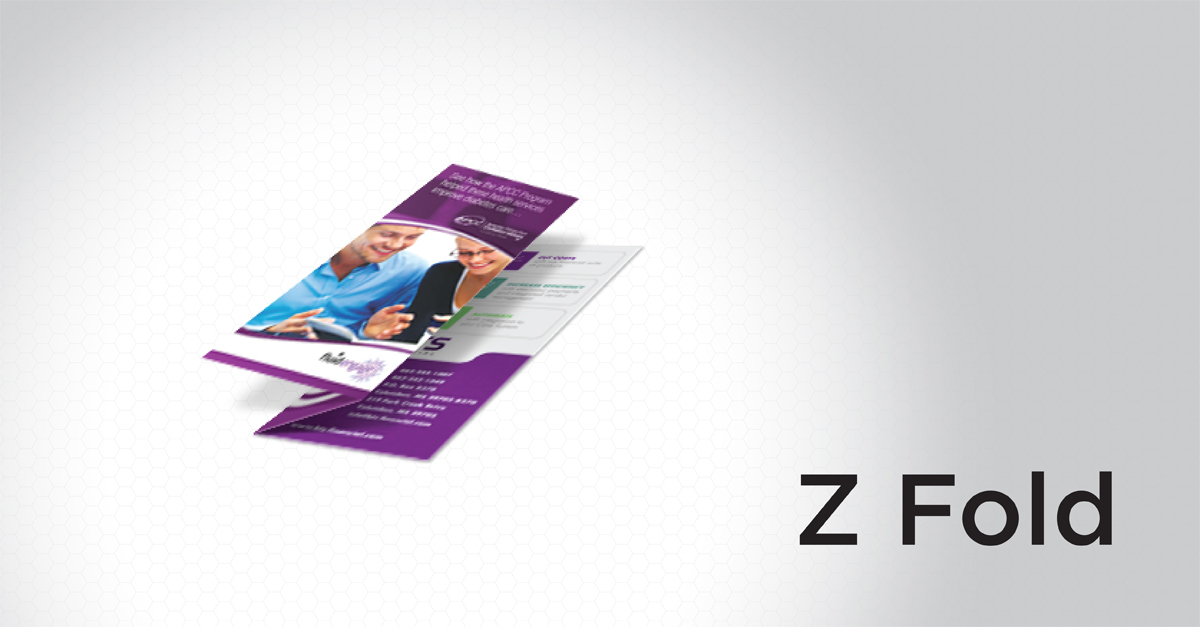
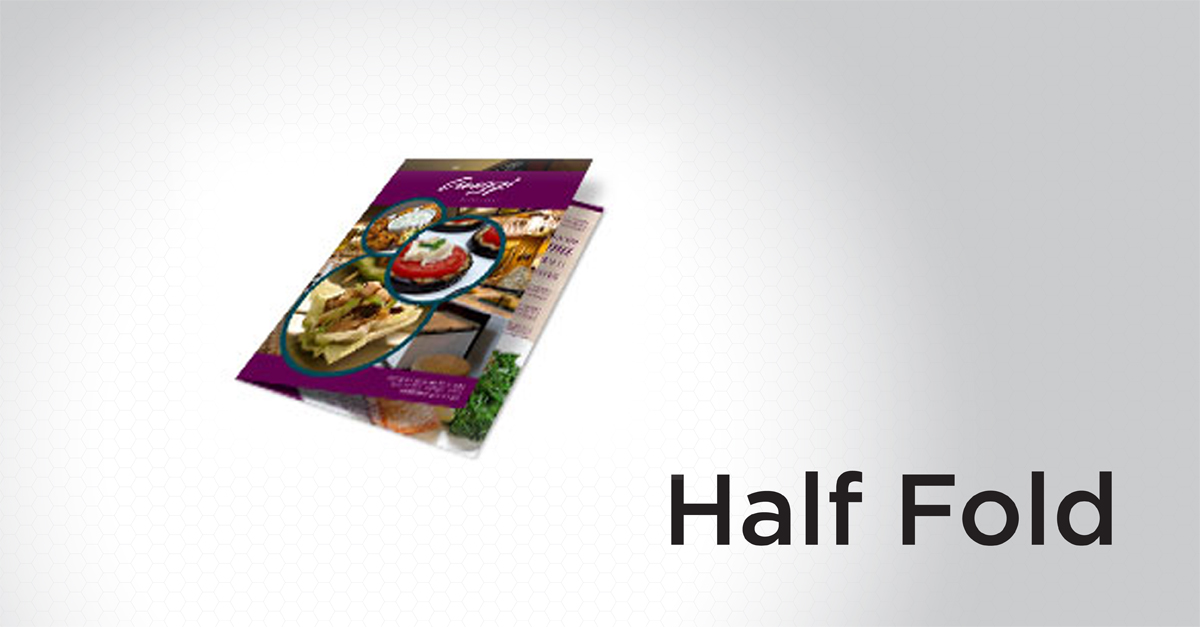
Brochures are typically designed to give an idea about the products that the company is offering, highlighting the main features of them. A great form of advertising, a printed brochure can in most cases leave the customers with an impression which probably no other form of ads can. With the help of brochures you can make sure that your company’s presence is available wherever you want and not just static at one place. There are many factors which contribute to the making of a successful and beautiful brochure like its layout, design, colors, font choice etc.  Keeping the brochure simple with information regarding the company and its products is the key to a successful one. It should always be clear and concise about the message it is offering rather than a complicated one since a poorly made one can tend to frustrate customers and create confusion.

To avoid such a situation, here are a few tips that will help you make the brochure that can sell what’s on it:-

1. A Great Headline: First thing’s first, when your customer picks up the brochure, the first piece of text he comes across is the headline. The headline should strike the customer immediately he reads it, hence, should contain something of his interest or something related to his problems followed by a solution. Don’t just stick with the basic information show them something that they turn the pages to know more. Many business owners make this mistake but you don’t have to!

2. Go back to the basics: Its vital that the brochure contains the basic information like company name, logo, contact information etc. Pictures of the products with taglines and item numbers etc. along with easy to read blocks can make the brochure very appealing to the eye. Don’t forget to push in a few words about the benefits you are offering other than your competitors.

3. Avoid information overload: You must make sure that your readers get the whole concept of your company and its products along with some contact information but not the cost of overloading it with too much information. Using too much text can confuse the reader and might force him to reconsider his deal. Keep it focused on the relevant information that the customer might be interested in by restraining to simple language and text. Too flashy and that’s THE END of the whole story.

4. Restrain from using heavy words: Your customers will never have the time to look for big, heavy words you use. So try not to use big words which may confuse your readers. Nothing could be better than simple words since the motive of the brochure is to provide the main information, that’s it!

5. Motivate them: Just a well-made brochure with colorful headlines will never be enough to motivate your customers to buy your product. You have to show them that its for their benefit if they order now. A great example of this is to give out something free like a gift or a sample product. This will entice your customers into thinking that it is best that they initiate an action as soon as possible.

6. As good as a good firm handshake: Its said that since your company cannot be at many places at one time, your brochure does it for you. Use thin high quality paper with glossy finish for brochure that stands out and looks unique. Simply, mailing or handing flimsy brochures will reassure that less effort and thoughts have been put into making it. It shouldn’t be too heavy or big as it will look an eyesore lying on your couch or table. Should be of the right size and weight as well. As they say a firm brochure is better than a firm handshake.

Ask yourself a few questions before you send them out for prints. It shall reconfirm your faith in it. Questions like these can be very helpful:-

• Do I like to look at it more than once?
• Does it have the eye catching graphics?
• Is the design appealing enough?
• Will I pay for the products mentioned? Why?
• Does the headline have a sales appeal to it?

These are some very small and simple techniques that can help your brochure do the talking responsibly when you’re not around. You can be sitting at one place and your brochure could be working at another.

Tips and Tricks For Brilliant Brochures

by

Big and small businesses both have access to professional color brochure printing in today’s competitive environment.  Brochures that bigger companies produce are often more professional looking because they can afford staff with color brochure printing experience.  But anyone with the right information can have professional brochures.  Here are few tips and tricks that the big companies use to get brilliant, full color brochures.
Â
High resolution pictures
A common mistake that small businesses make when developing their own color brochure printing design is that the images are not the appropriate resolution.  For example, pictures on the internet are typically only 72 dots per inch (dpi), while printed images should be 300 dpi.  You must be careful if you are using the internet as a source for your pictures as the resolution of theses images will often produce fuzzy or blurry pictures when printed.
Â
Bleed
Brochure designs should always include bleed: extending the design past the edge of the paper.  You do not include critical content in this area, you simply extend the overall design such as pictures and graphics.  This will help your design extend all the way to the edge of the brochure without leaving white along the edges.  The reason there is a need for bleed is because there will be variations from brochure to brochure throughout the printing process.
Â
Paper size
Before you begin to design your brochure printing project you must know your end product paper size.  One of the easiest ways to end up with an odd looking brochure is to send your final design to the print shop and then ask them to re-size it to fit a different paper size.  This can leave your brochure looking stretched and warped.  Design your color brochures from the very beginning to be on the right paper size for your needs.

5 Important Newsletter Tips

by

Newsletter printing is one way that you can connect with your customers on a consistent basis.  With newsletters, you can maintain and build loyal customers by sending them relevant tips, interesting articles, and updates.  Plus, newsletters come with an extra advantage – they may be read by someone other than your customer, potentially building your client base.  These perks of newsletter printing can only occur if every issue is captivating.  Some of the most important design aspects to keep in mind are explained below.

1. Write headlines that will grab the attention of readers.  Using headers and subheaders can also help to break up the text into a format that is easy to skim.  

2. Avoid using more than two fonts as this can take away from the actual text in the newsletter.  To make different elements stand out more, use bold, contrasts, or different sizes.

3. Every article, guidelines, or entertaining facts should be relevant to your readers.  This will keep your audience interested and give them a newsletter which they will look forward to each mailing.

4. White space is a design technique that will make your newsletters more readable.  This term refers to any space between the images and text that is left blank and provides for a cleaner, less cluttered look.

5. Organize your newsletter by placing the most interesting articles in strategic locations within the layout.  Place the headlining article on the first page and space the rest of the most entertaining news throughout the different pages of your newsletter. This way, a reader will be more likely to stop on every page.  Just be sure to group similar pieces together.

Creating successful newsletters require keeping your goals in mind.  Along with following the rules of newsprint design, this insures that your newsletter printing will be worth your time and efforts.

Advantages of Custom Labels

by

Labels are everywhere.  You see them on the hot sauce bottles in restaurants, on that package of vitamins you ordered, on the peanut butter jars in the grocery store.  Labels are those permanent identifying marks on products in stores or mail packages.  Don’t make the mistake of using pre-designed labels as these contain generic artwork that won’t properly represent your company.  Instead, use custom label printing.

Placing custom labels on your company packaging allows customers to easily identify your brand.  Whether for products on the shelf or mailing labels for shipping orders, labels put your company image out there for consumers to see.  Make your product stand out from your competitors’ items by designing a label that is uniquely yours. 

Designing your own labels allow you freedom to create the look that you desire.  If you want to create labels that are a little bit different, you can with custom labels.  Some companies have started to take advantage of placing “stories” or sayings on labels to make each product unique.  Instead of having the exact same label on each product, using different stories creates a variety.  You can still maintain your brand by using the same design, colors, and images. 

Labels are easy to design when using a template.  Check with your label printing company.  They might provide free templates that you can download.  This can be especially helpful for making sure that your layout adheres to their printing requirements. 

Because labels are needed in such large quantities, using a wholesale printer will save you money.  Just make sure that your commercial printer uses offset full color printing so that your labels represent the professionalism of your company and the quality of your products.

Brochure Printing Mistakes to Avoid

by

With so many brochures available almost anywhere you go, your brochure design needs to be unique.  When glancing at a rack of brochures, prospects will be most likely to pick up the one that stands out from the sea of headlines in front of them.  Prevent a boring brochure printing piece by avoiding the following mistakes:

Mistake No. 1 – Don’t plaster your brochure with lots of text.  No one has the time to read a book about your product for sale.  Instead, use minimal wording and lots of headings and subheadings.  Create a bulleted list to replace long paragraphs.  These techniques will provide for easy skimming, which is what most people only have time to do anyway.

Mistake No. 2 – Don’t just throw in any old photograph.  Use relevant and appealing pictures.  For instance, take pictures of the product at different angles or of customers using the product.  Use high resolution images to avoid blurred or pixelated appearance.

Mistake No. 3 – Often, brochures do not take advantage of captions underneath the images.  Including the benefits shown in the photographs in a caption below helps to promote your sales pitch.  Viewers look at a picture first and the captions second before finally moving on to the text.  Even if prospects do not read the text, you still have a chance to make a sale through the captions.

Mistake No. 4 – A boring headline on the cover of a brochure will never be able to capture enough attention to be worth the cost of brochure printing.  Pack your headline full of benefits and make an offer never before made.  Also, make sure your headline pops out from the background by using stark contrasts.

Mistake No. 5 – Some brochures seem to have a hiddedn call to action.  You don’t want to get your readers excited about your product and then have them searching throughout the document for what they need to do next.  Place your call to action in a logical place in the brochure layout, make it stand out by using bold or contrasting highlights, and make it clear what you want them to do, for instance visit a website.

Your brochures should one-of-a-kind so that when someone sees it next to several other brochures, they will be intriqued enough to find out what makes yours the best.