Filed under: Uncategorized | Tags: brochures, catalogs, design tips, marketing advise, printing design, Thanksgiving Marketing
Stand out from the competition this year with your Thanksgiving marketing. Everyone seems to stick with the same icons and ideas for Thanksgiving, such as the turkey. Break away, but not too far away, from traditional Thanksgiving graphic design with the tips below, and you’ll be sure to capture the attention of consumers.
Family
Thanksgiving dinner is a common theme for marketing during this time of year, but rather than using a photograph of a family at the dinner table with a large turkey in the center, try a different approach. For a funny tone, use a picture of Uncle Ed snoring on the sofa with his mouth wide open. Or for advertising for a restaurant, use a picture of Mom dropping the turkey on the kitchen floor with a subtitle mentioning your delicious turkey dinner available for just such an emergency.
Pilgrims
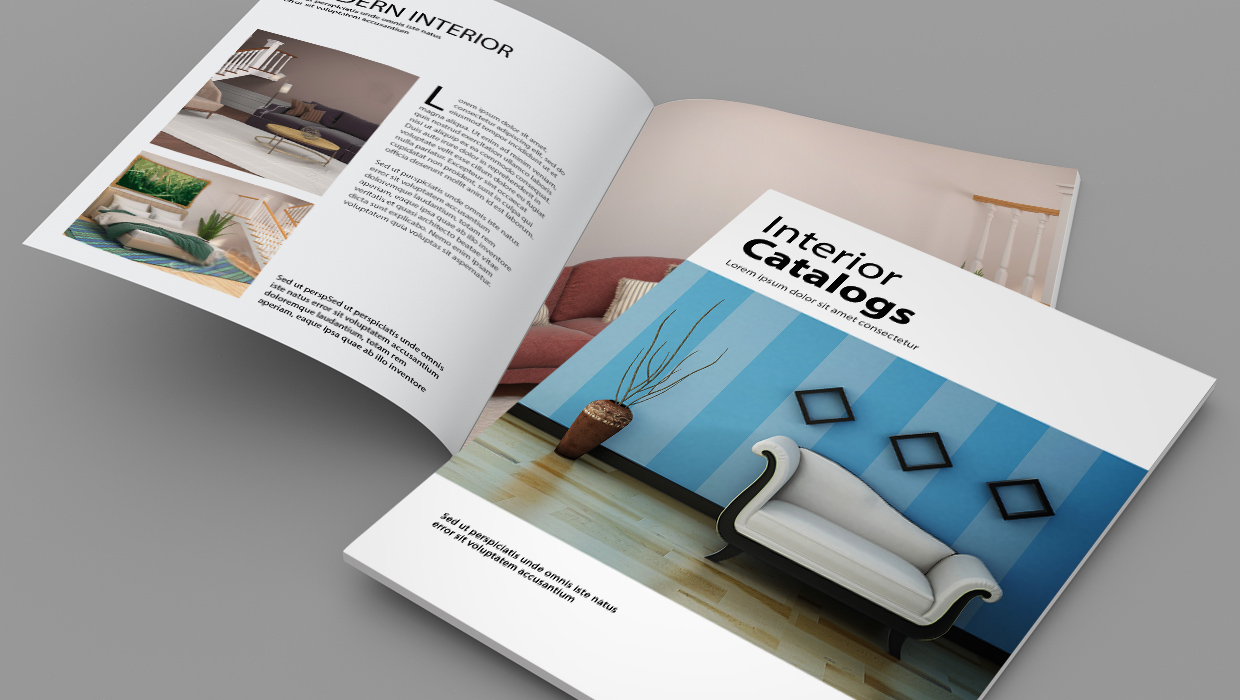
Incorporate the Pilgrim story and legends into your promotional materials for touching on the heart of the holiday. You may want to include the first Thanksgiving story into your brochures or catalogs to entice readers to open the cover. Or you may want to use images from this historical account. Play on the message of the Pilgrim theme such as giving, sharing, and thanksgiving with free gifts or discounts.
Cornucopia
The cornucopia can also be called the “horn of plenty,” which can be spun into nearly any marketing message. Plus, a cornucopia gives many color options, from the orange of pumpkins to the purple and green of grapes. The harvest theme can also include autumn leaves, which give another array of color – greens, golds, reds, browns, and oranges are all options for a Thanksgiving graphic design.
Whatever theme you decide to use for your brochures, postcards, flyers, or catalogs this year, be unique but don’t stray too far from tradition. Thanksgiving gives plenty of options for creating a one-of-a-kind marketing campaign that still connects with the holiday spirit and with your customers.
Design tips by Susana Ortiz:
When designing an image take advantage of the Adobe Photoshop’s Eye Dropper Tool, as seen above. Below are the step-by-step instructions.
- Select the Eye Dropper Tool
- Change Sample Size to “31 by 31 Average” (or higher, depending on the size of image)
- Sample different areas and create new swatches to use for text or design elements in your artwork.
A cliché in marketing is that you should under-promise and over-deliver. Well, that doesn’t work anymore. Nowadays, with competition so steep between online and offline businesses, you need to over-promise and then over-deliver.
Over-promising doesn’t mean to promise something you have no way to deliver. Instead, make a claim that sounds outrageous that you can deliver on. You have the capabilities to do this, your marketing materials just haven’t been written in the right way.
So many companies don’t take advantage of over-promising that you don’t need to make an absolutely outrageous claim to stand out from the crowd. You just need something that no one else has offered. Here are some examples that will inspire you:
• American Girl over-promises by offering girls dolls that will fascinate them…and then they over-deliver by giving each doll a mesmerizing biography that enthralls girls.
• Google over-promises by saying they can crawl the Web for any subject you could ever want to research…and then over-delivers with an average search time of 0.2 seconds.
Here are some tips for creating your own over-promise:
1. What’s your product’s most important quality? What makes your product unique? What’s the one word customers think or feel when they hear your company’s name or see your logo? For instance, Volvo is associated with safety. Lexus equals luxury.
2. Ask customers why they choose you over your competitors. Also ask them why they buy your product. Between those two answers you’ll find a signal of what your over-promise should be.
3. Ask non-customers why they don’t choose you over your competitors. Also ask why they buy your competitor’s product. This will tell you what misconceptions people have about your product, or where you can improve.
4. What emotions do customers feel when they use your products? Why do people buy Coach products or drive Lexus cars? It’s because of the feeling they get from owning and using those products. This answer along with the answers to your other questions can help you zero in on what you should over-promise on.
Next, you should brainstorm how you can over-promise something that your competitors can’t. Once you have a few ideas, try to narrow down which one idea is plausible. Which one can you actually do?
Companies that over-promise and over-deliver focus on three things:
The product: the product reliably does what it over-promises. The design is right and good.
The system: Your product’s system is everything it takes to acquire, finance, assemble, use and fix your product. The greatest product on Earth isn’t worth a lick if it isn’t easily to acquire.
The customer service: Your customer service staff must understand their role in the over-delivery. You need to explain how they dress, what they say and how they act.
Once you have your over-promise ready to go, include this promise on all of your marketing materials, from catalogs to billboards to your Web site.
Filed under: Printing Help | Tags: brochures, catalogs, desktop, file preparation guidelines, flyers, prepress checklist, printers, printing
In the online printing business, one of the most frequent subjects of discussion is that of file preparation and file transfer. Therefore, we hope to address the most commonly asked questions in this series of articles, to assist online print buyers in better preparing their files for printing. Before you know it, you’ll be creating stellar color brochures, color flyers and even full-color catalogs in the blink of an eye!
In the first of this three part series, we will address color settings – which ones to use, which ones to avoid and how to know the difference.
What is RGB?
RGB stands for Red, Green and Blue. These colors are used for digital cameras, scanners, computer monitors and TV screens. When combined RGB creates white as they are the additive colors of light. Files must be converted from RGB to CMYK if printing on a printing press.
Changing from RGB to CMYK will always produce some color shifting and a reduction in the color gamut because it is impossible to reproduce the entire RGB color palette with an offset press. It is highly recommend that you create and submit your document in CMYK to assure the color looks as close to your original file as possible.
What is CMYK?
CMYK stands for Cyan, Magenta, Yellow and Black and are used in the offset printing process. Printing with these four colors is often referred to as full color or 4-color printing. CMYK are subtractive colors and create black when combined. Any file that is printed on a printing press must be converted to CMYK.
If you are using black in any extensive solid area, you will want to create what is called a “Rich Black” – 60% Cyan, 40% Magenta, 40% Yellow and 100% Black (K). This will give you a deep rich black. However, do not use the rich black color mix on text. Black text should always be printed at 100% black (K).
What should I know about viewing files on my monitor?
You might notice that the colors on your printed piece may not exactly match the colors you see on the monitor. The age and or calibration of your monitor can determine monitor colors compared to the final printed colors. Also, the conversion from an RGB file to a CMYK file will alter the appearance of colors (See RGB and CMYK colors, above). If color is crucial to your final output, order a hard copy proof from your chosen online printer. This will ensure the look of your finished product before the order is completed, giving you the opportunity to make any necessary changes before the final printing.
Join us for our next installment, where we will discuss ways to convert your document to CMYK in various programs. We will also address the best resolution to use to achieve optimum results.